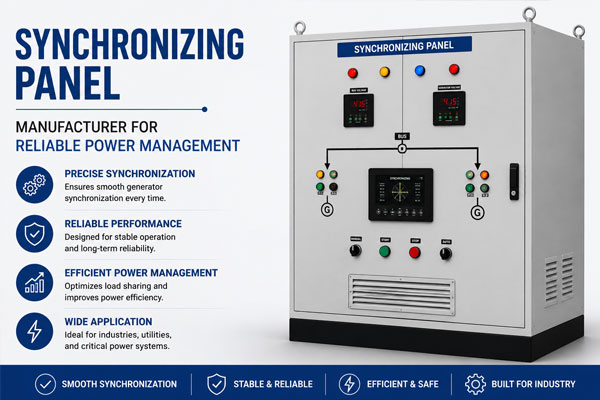
Reliable Synchronizing Panels
Modern industries need continuous and stable power supply for smooth operations. A synchronizing panel helps manage multiple generators and power sources together without interruption. It balances the electrical load and improves system efficiency. Industries, factories, hospitals, commercial buildings, and power plants widely use these panels for reliable power control.
Choosing a professional Synchronizing Panel Manufacturer is important for safety, performance, and long-term reliability. High-quality synchronizing panels are designed with advanced control systems, durable components, and proper safety features to support industrial applications.
What is a Synchronizing Panel?
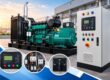
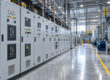
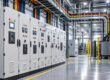
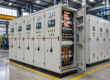
A Synchronizing Panel is an electrical control panel used to connect two or more generators, transformers, or power sources together in a safe and balanced way. Its main function is to match the voltage, frequency, and phase sequence of multiple power sources before they are connected to the electrical system.
In industries and commercial buildings, uninterrupted power supply is very important. If one generator fails or the power demand increases, the synchronizing panel helps another generator start and share the electrical load smoothly. This process prevents sudden power failure and protects machines from electrical damage.
Why Synchronizing Panels are Important
Synchronizing panels play a very important role in modern industrial and commercial power systems. Many industries depend on continuous electricity for machines, production lines, safety systems, and critical operations. Even a small power interruption can cause production loss, equipment damage, and operational delays. Synchronizing panels help manage multiple generators and power sources efficiently to ensure stable and uninterrupted power supply.
Continuous Power Supply
Synchronizing panels help industries maintain uninterrupted power during generator switching and power fluctuations. When one generator stops or additional power is required, another generator can automatically connect to the system without causing power interruption.
Better Load Sharing
One of the main advantages of synchronizing panels is proper load sharing between multiple generators. Instead of putting all the electrical load on a single generator, the panel distributes the load evenly across all connected generators.
Improved Efficiency
Synchronizing panels improve the overall efficiency of the power system by managing generators intelligently. The system automatically starts or stops generators depending on power demand. This reduces unnecessary fuel consumption and improves energy management.
Protection for Equipment
Industrial electrical systems are highly sensitive to voltage fluctuations, overload conditions, and short circuits. Synchronizing panels include advanced protection systems that help safeguard generators, transformers, motors, and electrical equipment.
Automatic Operation
Modern synchronizing panels support fully automatic operation with advanced digital controllers and PLC systems. The panel continuously monitors power demand, generator performance, and electrical conditions without requiring constant manual supervision.
Benefits of Choosing a Professional Synchronizing Panel Manufacturer
Conclusion
A synchronizing panel plays an important role in industrial power management systems. It helps maintain stable power supply, protects electrical equipment, and improves generator efficiency. Choosing an experienced Synchronizing Panel Manufacturer ensures reliable performance, safety, and long-term operational benefits for industrial applications.
FAQs
A synchronizing panel helps connect multiple generators or power sources safely and efficiently.
They are used in industries, hospitals, commercial buildings, data centers, and power plants.
Load sharing means distributing electrical load equally between generators.
Automatic panels work automatically, while manual panels require operator control.
Synchronization prevents electrical faults and ensures stable power supply.
Yes, they help balance loads and reduce fuel consumption.